
Vertical transportation is essential to modern building infrastructure, but elevator performance involves more than transporting passengers between floors. Noise levels, vibration, acceleration, and stopping accuracy can significantly influence the passenger experience.
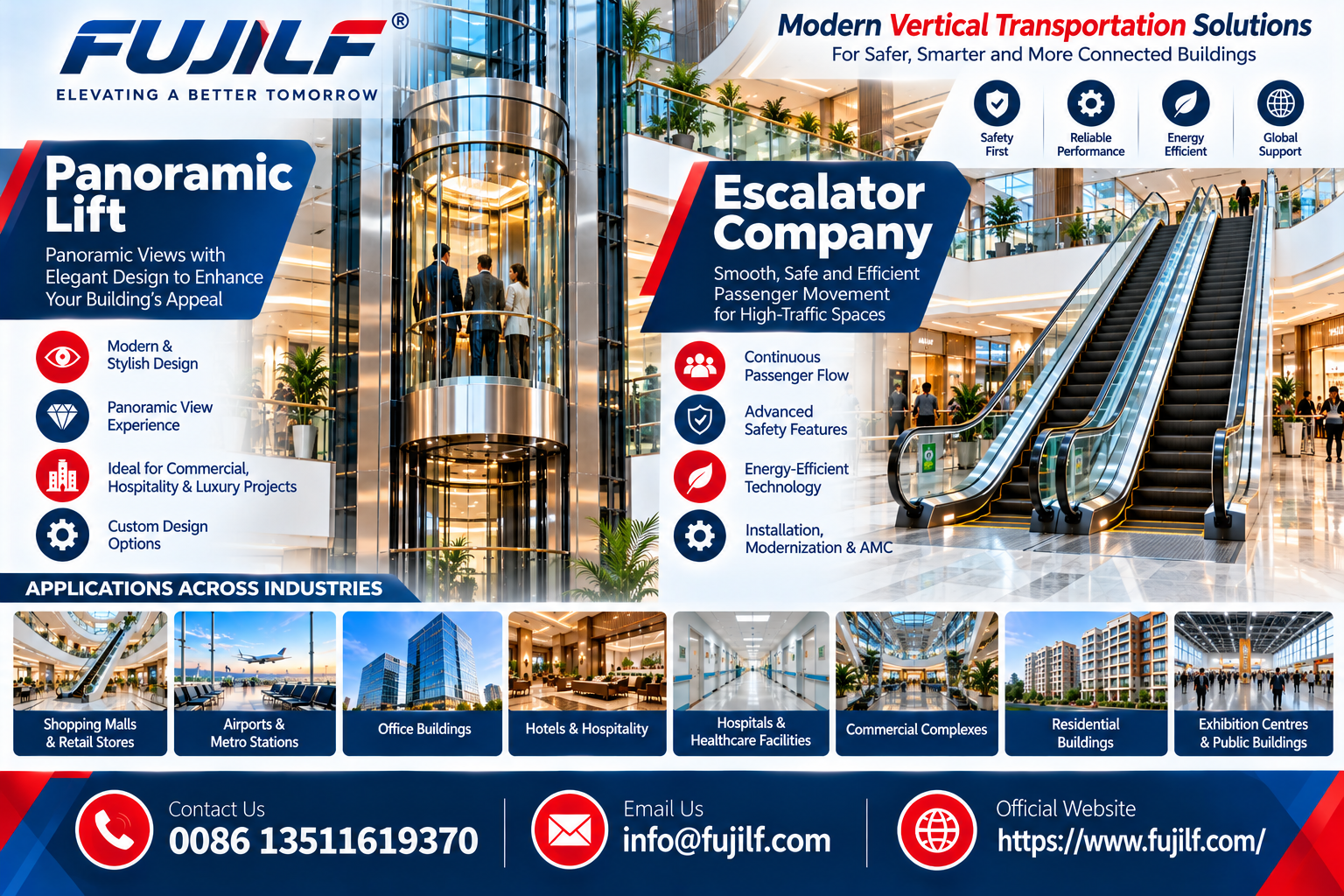
A panoramic lift combines passenger transportation with architectural visibility, offering transparent or partially transparent enclosures that connect the elevator cabin with its surroundings.
Meanwhile, a bed elevator serves specialized healthcare requirements, where controlled movement and dependable transportation are particularly important for patients and medical personnel.
Building developers exploring fuji lift options should therefore assess mechanical performance alongside appearance, capacity, and installation requirements.
The emerging design priority is straightforward: vertical transportation should provide a comfortable journey without creating unnecessary noise or vibration within the building.
Why Elevator Noise Matters in Modern Buildings
Elevator systems contain mechanical and electrical components that generate varying levels of sound during operation.
Motors, drive mechanisms, guide systems, door assemblies, and other moving components can contribute to equipment noise.
The impact depends on the elevator design, installation conditions, surrounding structure, and maintenance quality.
In luxury hotels, excessive elevator noise may affect nearby guest rooms or shared spaces.
Residential properties may experience similar concerns when lift shafts are positioned near living areas.
Healthcare facilities require particular attention because unnecessary disturbances can affect patient comfort and the surrounding care environment.
An important engineering principle explains:
This perspective encourages building planners to include acoustic performance in equipment evaluation.
Panoramic Lift Design Introduces Unique Acoustic Considerations
A panoramic lift is often installed in visually prominent locations, such as hotel atriums, shopping malls, commercial lobbies, and residential developments.
Its transparent construction allows passengers to experience the surrounding architecture while traveling between floors.
However, open architectural environments may create different acoustic conditions from enclosed elevator shafts.
Glass surfaces and surrounding building materials can influence how sound reflects and travels.
For this reason, panoramic elevator planning should consider:
- Drive system performance: Evaluating equipment characteristics that influence operating noise.
- Structural vibration: Assessing how mechanical movement may transfer through supporting components.
- Cabin construction: Selecting suitable glazing and structural materials according to engineering requirements.
- Door mechanisms: Considering operating smoothness and unnecessary mechanical noise.
- Installation quality: Ensuring components are correctly aligned and installed.
The purpose is not to eliminate all operating sound, which is generally unrealistic, but to maintain performance appropriate to the intended building environment.
Bed Elevator Systems Require Greater Attention to Patient Comfort
Healthcare facilities have transportation requirements that differ from conventional commercial buildings.
A bed elevator must accommodate designated hospital beds or stretchers, accompanying medical personnel, and permitted medical equipment.
Its operation should also support comfortable patient movement.
Sudden acceleration, abrupt stopping, vibration, or poor leveling can create difficulties when transporting patients.
Smooth movement is particularly important when patients are receiving care or require assistance during transfer.
Controlled Acceleration and Deceleration
Appropriately designed elevator controls can support gradual changes in movement, reducing unnecessary jolts.
Accurate Floor Leveling
Correct leveling helps medical personnel move beds and stretchers safely between the elevator and landing.
Suitable Cabin Dimensions
Adequate space supports controlled movement of approved medical beds and accompanying personnel.
Reliable Door Operation
Doors should function according to applicable safety requirements while providing suitable clearance for medical transportation.
These features help healthcare facilities evaluate elevator systems according to their intended operational needs.
Vibration Control Supports Better Elevator Performance
Mechanical vibration is an important consideration in elevator engineering.
Depending on the system, vibration may originate from drive equipment, guide components, rotating machinery, or installation-related conditions.
Excessive vibration can affect passenger comfort and may indicate the need for technical inspection.
Manufacturers and installation specialists should evaluate mechanical compatibility, equipment alignment, and appropriate vibration-control arrangements.
For panoramic installations, supporting structures and glazed components must also remain compatible with the approved elevator design.
Hospital elevator systems require particular attention to ride characteristics because patients may be more sensitive to sudden movement.
A useful technical observation states:
The effectiveness of vibration control depends on the complete lifting system rather than any single component.
How Elevator Drive Technology Influences Ride Quality
Drive technology contributes to elevator movement characteristics.
Depending on the equipment configuration, modern control systems may regulate motor operation to provide suitable acceleration, deceleration, and stopping performance.
However, different elevator systems have different engineering requirements.
A drive suitable for one building may not be appropriate for another.
Developers should evaluate rated capacity, travel requirements, usage patterns, mechanical design, and manufacturer specifications.
For healthcare buildings, ride-quality requirements should be considered alongside patient transport needs and applicable safety standards.
Evaluating Fuji Lift Equipment for Specialized Applications
When exploring a fuji lift, developers should verify the manufacturer, equipment model, technical specifications, and suitability for the intended application.
Product names alone do not establish performance characteristics.
A structured evaluation should address:
- Rated capacity: Confirm suitability for intended passengers, beds, and equipment.
- Ride quality: Review documented acceleration, leveling, and vibration characteristics.
- Installation requirements: Assess structural compatibility and available space.
- Safety features: Verify compliance with applicable elevator regulations.
- Maintenance support: Confirm access to qualified technicians and suitable replacement components.
For architectural elevators, glazing and cabin design require additional assessment.
For hospital applications, approved dimensions and patient transportation needs remain essential.
Maintenance Helps Preserve Quiet and Smooth Operation
Even properly installed elevators require regular maintenance.
Wear, misalignment, damaged components, and other mechanical conditions may affect operational smoothness.
Professional inspections should follow manufacturer guidance and applicable regulations.
Maintenance personnel may examine door mechanisms, guide assemblies, drive equipment, controls, and protective devices.
Unusual noise or vibration should be assessed rather than ignored.
Building operators should maintain accurate service records and ensure that equipment faults receive appropriate technical attention.
Preventive maintenance supports reliable operation, although it cannot guarantee the absence of future mechanical problems.
Industry Outlook: Comfort Becomes Part of Elevator Quality
Elevator quality is best evaluated through a combination of safety, engineering compatibility, accessibility, reliability, and passenger comfort.
A panoramic elevator may enhance architectural character, while a hospital bed elevator supports essential patient transportation.
Despite their different applications, both benefit from attention to controlled movement, appropriate installation, and maintenance.
For developers, the broader opportunity lies in selecting equipment that complements the building’s function while providing a dependable passenger experience.
Frequently Asked Questions (FAQs)
1. What is a panoramic lift?
A panoramic lift is an elevator featuring transparent or partially transparent panels that allow passengers to view surrounding spaces while traveling between building floors.
2. Why is smooth movement important in a bed elevator?
A bed elevator transports patients, medical beds, and authorized personnel. Smooth acceleration, controlled stopping, and accurate floor leveling support comfortable patient movement and practical medical operations.
3. What causes noise in elevator systems?
Elevator noise may originate from motors, drive equipment, guide mechanisms, door systems, structural vibration, or mechanical wear. The actual cause requires appropriate technical inspection.
4. What should buyers consider when choosing a fuji lift?
Buyers should verify the equipment manufacturer, model, load capacity, installation requirements, safety documentation, ride characteristics, and maintenance arrangements.
5. Can regular maintenance improve elevator ride comfort?
Yes. Appropriate maintenance can help identify worn components, alignment problems, and other conditions that may influence noise or vibration. Qualified technicians should perform the required inspections and repairs.
Media Contact
Department: Business Enquiries & Vertical Transportation Solutions
Industry: Panoramic Elevators, Hospital Bed Elevators & Lifting Equipment
Contact: 008613511619370
Email: info@fujilf.com
Official Website: https://www.fujilf.com/