
Residential communities designed for older adults have unique infrastructure requirements. Residents may need convenient access to dining facilities, recreational areas, shared spaces, and accommodation located across different building levels.
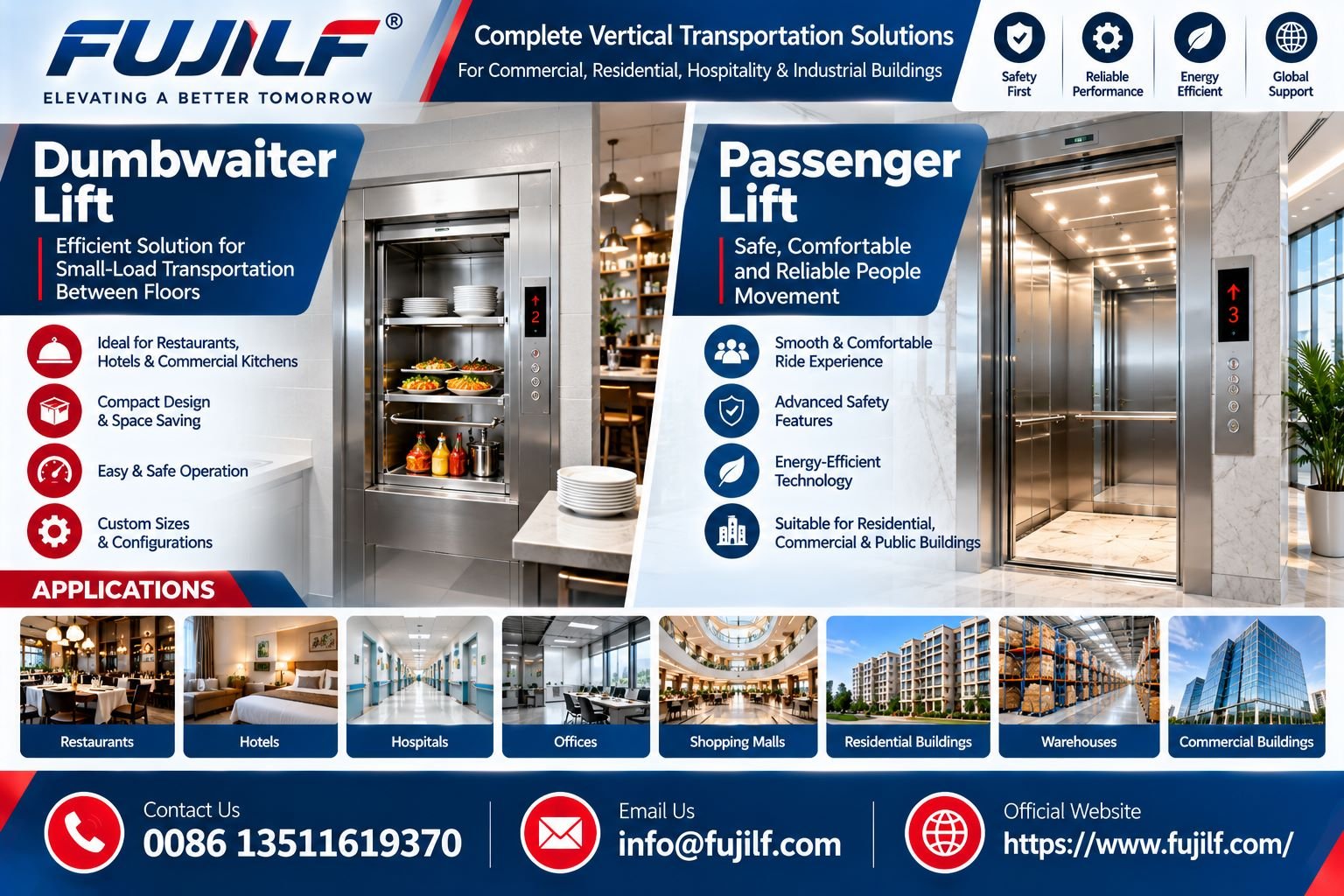
A dumbwaiter lift provides a compact transportation solution for moving suitable goods such as meals, household supplies, and approved service materials between floors.
Meanwhile, a passenger lift allows residents, visitors, caregivers, and employees to move between building levels without relying exclusively on staircases.
Although these systems serve different purposes, their combined planning can improve residential convenience and support organized facility operations.
The central objective is to develop living environments that promote independence while accommodating the operational requirements of managed residential communities.
Why Senior Living Communities Need Thoughtful Vertical Transportation
Age-friendly residential developments must consider the physical needs and preferences of their occupants.
Staircases may present difficulties for residents with reduced mobility, particularly when essential facilities are located on different floors.
A properly designed passenger lift supports step-free transportation and makes shared amenities more accessible.
At the same time, staff members may need to distribute meals, housekeeping supplies, and other permitted materials throughout a residential complex.
A suitable goods-handling system can support these activities without placing unnecessary pressure on passenger transportation routes.
Important planning priorities include:
- Resident independence: Supporting convenient access to different building levels.
- Accessible movement: Accommodating residents who use mobility aids.
- Household service delivery: Improving the movement of appropriate supplies.
- Building organization: Establishing practical transportation routes.
- Safety and comfort: Selecting equipment suited to residential requirements.
These priorities help developers evaluate lifting systems according to actual community needs.
Dumbwaiter Lift Systems Support Residential Service Operations
A dumbwaiter lift is a compact lifting system designed specifically for transporting goods rather than passengers.
In suitable senior living developments, it may support the movement of prepared meals, packaged supplies, and approved household items.
For example, a residential facility with centralized kitchen services may require transportation between food preparation areas and designated distribution points.
A compact goods lift can form part of this arrangement when its rated capacity, materials, and configuration are suitable.
However, food transportation must also comply with relevant hygiene and handling requirements.
A useful infrastructure principle explains:
This approach encourages developers to consider goods-handling requirements when planning residential service areas.
Passenger Lift Accessibility Supports Independent Living
A passenger lift plays an important role in residential accessibility.
For older adults, convenient transportation between floors can support access to apartments, activity rooms, dining facilities, and other shared spaces.
Elevator design should reflect the accessibility requirements applicable to the property.
Suitable Cabin Dimensions
Cabins should provide appropriate space for intended users, including residents using permitted mobility aids.
Accessible Operating Controls
Control panels should be positioned and designed according to relevant accessibility standards.
Clear Door Openings
Suitable door arrangements support easier passenger entry and exit.
Floor-Level Accuracy
Accurate stopping helps reduce differences between elevator floors and building landings.
Understandable Communication
Appropriate visual and audible indicators can help residents identify elevator movement and floor information.
These features contribute to a more comfortable transportation experience.
Separating Residential Services From Passenger Movement
Managed residential communities often involve multiple activities taking place within the same building.
Residents may travel to shared areas while employees transport meals, cleaning supplies, and maintenance materials.
Using suitable equipment for each function can improve operational organization.
A dumbwaiter can transport approved goods between designated service points, while a passenger elevator provides transportation for residents and authorized occupants.
However, these systems are not interchangeable.
A dumbwaiter must never be used to transport people.
Similarly, using passenger elevators for bulky materials must remain within the equipment’s approved operating and loading requirements.
Clear transportation procedures help maintain safe and practical building operations.
How Lift Placement Influences Residential Comfort
Equipment location can affect how easily residents navigate a building.
A passenger lift should be positioned where residents can access it through appropriate circulation routes.
Poorly located elevators may create unnecessary walking distances or difficulties for individuals with mobility limitations.
For a dumbwaiter, the preferred location depends on service requirements.
Equipment serving food distribution may need appropriate connections between preparation areas and receiving points.
Developers should also consider noise, maintenance access, and surrounding residential spaces.
An important design observation states:
The objective is to balance efficient operations with a welcoming residential environment.
Safety Features Require Professional Evaluation
Lifting equipment installed in senior living properties must meet applicable technical and safety requirements.
Passenger elevators require approved protective systems, suitable communication arrangements, and professional inspection.
Dumbwaiters require appropriate landing-door protection, operating controls, and other safety features consistent with their approved design.
Building operators should establish procedures for reporting equipment faults and restricting access when necessary.
Residents and employees must not attempt unauthorized equipment repairs.
Emergency arrangements should be prepared according to building regulations and manufacturer guidance.
Ordinary passenger elevators should not be assumed suitable for fire evacuation unless specifically designed and approved for that purpose.
Maintenance Planning Protects Residential Convenience
Equipment availability is important in buildings where residents depend on accessible vertical transportation.
Regular servicing helps identify component wear, operating problems, and other technical concerns.
Maintenance programs should follow manufacturer instructions and applicable regulations.
For passenger elevators, relevant inspections may include door systems, controls, leveling performance, and protective equipment.
Dumbwaiter servicing may involve examining lifting mechanisms, landing doors, controls, and approved safety components.
Facility managers should maintain accurate inspection records and arrange qualified technical support.
Proper maintenance supports dependable operation but does not eliminate the need for contingency planning.
Choosing Appropriate Lifting Equipment for Senior Housing
Property developers should evaluate their operational requirements before selecting equipment.
A structured assessment should consider:
- Resident accessibility: Identify mobility requirements and relevant building standards.
- Goods transportation: Determine the type, weight, and dimensions of materials.
- Installation conditions: Assess building space and structural suitability.
- Safety compliance: Verify equipment classification and applicable regulations.
- Service support: Confirm maintenance arrangements and technical documentation.
These considerations help developers choose lifting equipment that serves residents and building personnel appropriately.
Frequently Asked Questions (FAQs)
1. What is a dumbwaiter lift used for in senior living facilities?
A dumbwaiter lift transports suitable goods such as prepared meals, packaged supplies, and approved household materials between floors. It is not designed to carry passengers.
2. Why is a passenger lift important for senior living communities?
A passenger lift provides step-free transportation between building levels, supporting accessibility and convenient movement for residents, visitors, and caregivers.
3. Can a dumbwaiter transport food in residential facilities?
Yes, when the equipment is suitable for the intended application and food transportation follows applicable hygiene, handling, and equipment requirements.
4. What accessibility features should a passenger elevator include?
Relevant features may include suitable cabin dimensions, accessible controls, appropriate door clearances, accurate floor leveling, and clear passenger information.
5. What should developers check before installing residential lifting systems?
Developers should evaluate transportation requirements, rated capacity, structural compatibility, accessibility standards, safety provisions, and professional maintenance support.
Media Contact
Department: Business Enquiries & Vertical Transportation Solutions
Industry: Dumbwaiter Lifts, Passenger Elevators & Residential Lifting Equipment
Contact: 008613511619370
Email: info@fujilf.com
Official Website: https://www.fujilf.com/